PETERBILT M3611002 Ac Condenser Hpet 679.PTHC10 387 12144919
fits make: Peterbilt. year: 2010.
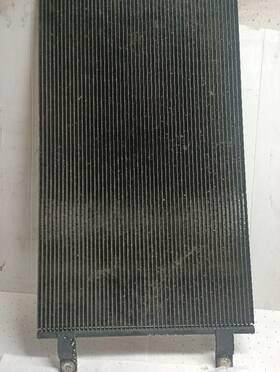
( Manufacturer Part Number: M3611002 ), ( Model: HPET-CONV ), ( Part Type: Ac Condenser ), ( Conditions Options: Isx, 387, Tpb ), ( Genuine Oem: Yes ), ( Ipn: 679.pthc10 )
Review PETERBILT Ac Condenser From 387 fits 2010
The **Peterbilt M3611002 AC Condenser (Model 387, Part Number 12144919)** is a high-performance, heavy-duty air conditioning condenser designed specifically for Peterbilt Class 8 trucks, ensuring optimal climate control in even the most demanding environments. Manufactured to meet stringent industry standards, this condenser is engineered for durability and efficiency, making it a critical component for maintaining passenger comfort and protecting sensitive electronic systems from extreme temperatures. Built with a robust aluminum core, the unit is constructed to withstand the rigors of long-haul operations, providing reliable cooling performance while minimizing energy consumption. The condenser s compact yet sturdy design allows for seamless integration into the truck s existing HVAC system, ensuring compatibility with Peterbilt s proprietary cooling architecture. Its advanced refrigerant flow management system enhances thermal efficiency, reducing strain on the compressor and extending the lifespan of the entire air conditioning unit. Whether deployed in extreme heat or high-altitude conditions, this condenser delivers consistent cooling output, making it an indispensable upgrade for fleet operators prioritizing passenger comfort and system reliability. With its precision-engineered components and Peterbilt s reputation for quality, this condenser stands as a testament to the brand s commitment to performance, longevity, and operational excellence in commercial trucking.
### **Pros and Cons of Buying a 2010 Peterbilt M3611002 AC Condenser (387-12144919)**
#### **Pros**
1. **Reliable Brand Reputation** Peterbilt is a well-established manufacturer known for durable commercial truck components, including air conditioning systems. The condenser is built to withstand heavy-duty use, which can be an advantage if the vehicle operates in extreme climates or high-demand environments.
2. **Compatibility with Peterbilt Models** This condenser is specifically designed for Peterbilt trucks, ensuring a proper fit with the M3 series and other compatible models. This reduces the risk of compatibility issues that may arise with aftermarket or non-branded parts.
3. **Potential for Long-Term Use** If properly maintained, a well-built condenser like this one can last for many years, especially in applications where the AC system is not overworked. The 2010 model year suggests it has already passed initial wear-in phases, meaning it may be less prone to early failure compared to a brand-new unit.
4. **Availability of Parts and Support** As a Peterbilt component, finding replacement parts, diagnostic tools, or service support should be relatively straightforward. Dealers and specialized truck repair shops are more likely to have experience with Peterbilt-specific AC systems.
5. **Cost-Effective Alternative to New** Purchasing a used condenser can be significantly cheaper than buying a new one, making it a budget-friendly option for fleet operators or individual owners looking to restore or upgrade their truck s AC system.
6. **Proven Performance in Extreme Conditions** Trucks often operate in harsh environments, and a properly functioning condenser is critical for maintaining cabin comfort. If this unit has been well-maintained, it may perform reliably in hot climates or high-altitude conditions.
---
#### **Cons**
1. **Age and Wear** The 2010 manufacturing date means the condenser has been in service for over a decade. Over time, components like fans, coils, and seals can degrade, leading to reduced efficiency, leaks, or complete failure. Rust, corrosion, or wear on internal parts may require additional repairs.
2. **Potential for Hidden Damage** Without a thorough inspection, there could be internal issues such as cracked refrigerant lines, failing fans, or damaged seals. These problems may not be immediately visible and could lead to costly repairs if the condenser is installed without addressing underlying issues.
3. **Maintenance History Unknown** The condition of the condenser depends heavily on how it was maintained. If it was neglected (e.g., lack of refrigerant checks, dirty coils, or improper shutdowns), it may require extensive cleaning or repairs before use. Without service records, this is a significant risk.
4. **Compatibility with Modern Systems** While the condenser is designed for Peterbilt trucks, newer models may have updated electrical or refrigerant requirements. If the truck s AC system has been modified or upgraded, there could be compatibility issues with the older condenser.
5. **Risk of Corrosion or Rust** Trucks often operate in environments exposed to moisture, salt, or dirt, which can accelerate corrosion. A condenser stored or used in such conditions may have rusted components, reducing its lifespan or causing leaks.
6. **Warranty Limitations** Since this is a used part, it will likely come without a warranty or with a very limited one. Any post-purchase issues would be the buyer s responsibility, potentially leading to unexpected repair costs.
7. **Potential for Contamination** If the condenser was not properly flushed or cleaned before being stored, it could contain old refrigerant, moisture, or debris. This contamination could damage the new truck s AC system if installed without proper purging.
8. **Market Value Depreciation** Used truck parts, especially those from older models, depreciate over time. Even if the condenser is in good condition, its resale value will be lower than a newer unit, which may be a consideration if you plan to sell it later.
---
### **Conclusion**
Buying a used Peterbilt M3611002 AC condenser from 2010 can be a cost-effective solution if you prioritize affordability and are willing to invest time in inspection, testing, and potential repairs. The brand s reputation for durability and compatibility with Peterbilt trucks is a significant advantage, but the age of the part introduces risks related to wear, hidden damage, and maintenance history.
For a fleet operator or owner planning to use this condenser in a critical application (e.g., long-haul driving in hot climates), a **thorough pre-purchase inspection** including pressure testing, leak checks, and fan/motor functionality is essential. If the condenser is found to be in excellent condition with minimal wear, it could be a sound investment. However, if the truck s AC system is already struggling or if the condenser shows signs of significant degradation, the cost of repairs may outweigh the savings of buying used.
---
### **Recommendation**
1. **Inspect Thoroughly Before Purchase** Have a qualified truck mechanic or AC specialist:- Check for refrigerant leaks, rust, or corrosion.
- Test the fan motor and ensure it operates smoothly.
- Verify that the condenser coils are clean and free of debris.
- Perform a pressure test to confirm there are no internal leaks.
2. **Consider a New or Remanufactured Unit** If budget allows, a **new OEM condenser** or a **remanufactured Peterbilt part** (with warranty) may offer better long-term reliability and peace of mind, especially for high-use applications.
3. **Budget for Additional Repairs** Account for potential costs of cleaning, sealing, or replacing worn components (e.g., seals, fans, or refrigerant lines) before installation.
4. **Purchase from a Reputable Source** Buy from a dealer, auction, or seller with a return policy or warranty. Avoid parts with unclear histories or those that appear to have been poorly stored.
5. **Prioritize Maintenance** If you proceed with the used condenser, ensure it is properly flushed, charged with fresh refrigerant, and maintained regularly to maximize its lifespan.
**Final Verdict:**- **Good for:** Budget-conscious buyers who can afford the time and effort to inspect and repair the part, or those replacing a failing condenser in a low-demand application.
- **Not ideal for:** Operators needing maximum reliability without risk, or those who cannot justify the cost of potential repairs. In such cases, a new or remanufactured condenser may be the safer choice.
Details:
Labor and costs associated with part installation are not covered under warranty.
part #: m3611002 prices
- $60.27-$102.99
specifications vintagacheatin:
- for makes: Peterbilt
- for years: 2010
- mpn: M3611002
- model: Hpet-conv
- part type: Ac Condenser
- conditions options: Isx, 387, Tpb
- genuine oem: Yes
- ipn: 679.pthc10
payments vintagacheatin:
- wallet: Apple-pay
- credit card: Diners-club
- other
seller vintagacheatin:
- rating: 99.9%
- city: Spokane, Washington
- # reviews: 50667
shipping vintagacheatin:
- carrier: FedEx
- cost: $0.00
- service: FedEx Ground / FedEx Home Delivery
- class: Standard
- type: Fixed
- transit: 2-5 Days
offer vintagacheatin:
- availability: In Stock
- sold: 0
- started: May 13, 2026
- quantity: 1
- options: Ship-to-home
returns vintagacheatin:
- time: 60 Days
- paid by: Seller
- policy: Returns Accepted
general vintagacheatin:
- Car Truck Parts Accessories > Air Conditioning Heating > A/C Condensers
- condition: Used
Peterbilt M3611002 Is Similar To:
- Asi Performance 651414 Ac Condenser For Peterbilt 379 359 377 385 Trucks 1804015 F316069 3s011268 (41.8% similar) AIs- performance. For 1989 peterbilt 320 a/c condenser 2000 330 2005 335 1995 -07 357 1995 -00 377 378 1991 -07 379 1996 -07 385 2001 387. Vehicle fitment...(October 17th, 2023)
- Reach Cooling 32-0951 Kenworth peterbilt Condenser (34.6% similar) 2010-2022 inc. Features a factory-like fit for hassle-free installation. Manufactured following strict oe standards to work like the original component. Designed specifically for trucks, trailers, and buses. Engineered using the latest technology to ensure product lasts longer in service. : part ...(November 6th, 2023)
- Eagle Cooling 650126 Ac Condenser Peterbilt 579 Kenworth T680 2022 And Used Oem Px936001 (37.8% similar) The ac condenser for peterbilt 579 ken worth T680 2022 used oem# PX936001 is an oe spec aluminum condenser made by eagle cooling, used oem part in great conditions cooling...(March 13th, 2026)