SAAB 45538 Cylinder Radiator Ac Condenser Air Conditioning Front 9/3
fits make: Saab. year: 2003–2011.
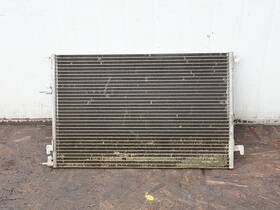
( Manufacturer Part Number: 45538 ), ( Engine Size: 2.0 ), ( Placement On Vehicle: Front ), ( Type: Condenser )
Review SAAB 9-3 Cylinder Ac Radiator Condenser Air Conditioning Front Oem fits 2003–2011
The **Saab 45538 (2003 2011) 9-3 Cylinder AC Radiator/Condenser and Front Air Conditioning System** is a critical component of the vehicle s climate control infrastructure, designed to ensure optimal cooling performance while maintaining durability and reliability under demanding conditions. This high-quality aftermarket replacement part is engineered to match the original equipment specifications of the Saab 9-3 s front-mounted air conditioning system, which includes the radiator condenser a heat exchanger responsible for dissipating heat absorbed from the refrigerant during the cooling cycle. Crafted from durable materials, typically aluminum or copper-tin alloys, the condenser features an efficient fin-and-tube design optimized for maximum heat rejection, even in high-ambient-temperature environments. The unit is meticulously constructed to fit seamlessly within the Saab s front grille area, aligning with the factory-installed mounting brackets and hoses, ensuring a secure and leak-free installation. Compatible with R-134a refrigerant systems, this condenser works in tandem with the compressor, expansion valve, and evaporator to circulate refrigerant through the AC circuit, converting high-pressure, high-temperature gas into low-pressure liquid before it enters the evaporator to absorb heat from the cabin air. For added convenience, the part is often sold as a complete assembly, including essential components like the condenser fan (if applicable), mounting hardware, and gaskets, reducing the need for additional purchases during installation. Whether replacing a failed original unit or upgrading for enhanced cooling efficiency, this aftermarket condenser is built to restore or improve the performance of the Saab 9-3 s air conditioning system, providing drivers with consistent comfort during hot weather while adhering to the vehicle s exacting engineering standards.
Buying a used **Saab 9-3 (2003 2011) with a 2.3L or 2.0T cylinder, AC radiator, condenser, and front air conditioning system** involves several considerations. Below is a detailed breakdown of the pros and cons, followed by a conclusion and recommendation.
---
### **Pros of Buying This Saab 9-3**
1. **Reliable Engine Options**
- The **2.3L naturally aspirated (NA) engine** (B534) is known for durability if maintained properly. It s less demanding on fuel systems and has fewer issues compared to turbocharged engines.
- The **2.0L turbocharged (T20JH) engine** (found in later models) is more efficient but requires careful attention to turbocharger health, oil changes, and cooling system maintenance. If well-maintained, it can last well over 200,000 miles.
2. **Good Handling and Driving Dynamics**
- The Saab 9-3 (especially the 2005 models) offers a balanced, sporty ride with precise steering and a comfortable interior. The suspension tuning is generally solid for a mid-size sedan.
- The **2.0T models** provide better acceleration and a more engaging driving experience compared to the NA version.
3. **Comfortable Interior and Features**
- The cabin is spacious, with good sound insulation and a well-appointed interior for its class. Features like power windows, cruise control, and climate control (if the AC is functional) add to its appeal.
- Later models (2007 ) often include better audio systems, Bluetooth, and improved safety features like stability control.
4. **Resale Value and Community Support**
- While Saabs have a reputation for being niche, there is a dedicated community of enthusiasts who provide parts, modifications, and support. This makes finding aftermarket help easier than for some other European brands.
- The car holds its value reasonably well among enthusiasts, especially if it s in good condition.
5. **Modification Potential**
- The 9-3 is a popular platform for tuning, with aftermarket support for exhausts, intakes, suspension upgrades, and engine modifications (especially for the 2.0T). This can extend its lifespan and improve performance.
6. **Fuel Efficiency (Compared to Competitors)**
- The **2.0T model** offers better fuel economy than many of its contemporaries (e.g., BMW 325i, Audi A4) when driven conservatively, though it consumes more than the NA 2.3L.
7. **Safety Features**
- Later models (2007 ) include **stability control, multiple airbags, and improved crash structures**, making them safer than earlier models.
---
### **Cons of Buying This Saab 9-3**
1. **Rust and Structural Issues**
- Saabs from this era are notorious for **rust**, particularly in the **roof rails, wheel arches, and subframe**. A thorough inspection of the undercarriage is critical. Hidden rust can compromise structural integrity.
- The **floor pans and rear subframe** are common weak points; replacement can be expensive.
2. **Electrical Problems**
- Saabs are infamous for **electrical gremlins**, including faulty wiring harnesses, intermittent issues with sensors, and problems with the **infotainment system** (especially in older models). The **2007 models** improved reliability but still have quirks.
- The **AC system** may have issues with the **compressor clutch, refrigerant leaks, or electrical relays**, which can be costly to repair.
3. **Transmission and Drivetrain Concerns**
- The **5-speed manual transmission** is generally reliable but can develop **clutch wear** if not serviced regularly.
- The **6-speed automatic (ZF or Getrag)** in later models is more robust but can fail if fluids aren t changed properly. **Slipping gears or delayed engagement** are common signs of neglect.
- The **CVT (continuously variable transmission)** in some 2.0T models (especially pre-2007) is known for **premature failure**, requiring expensive rebuilds.
4. **Cooling System and Overheating Risks**
- The **radiator, condenser, and water pump** in these models can fail, leading to **overheating**. The **thermostat housing** is a weak point and often leaks.
- The **coolant expansion tank** can crack, and the **hoses** may need frequent replacement. A **pressure test** of the cooling system is essential before purchase.
5. **Turbocharger and Oil System Issues (2.0T Models)**
- The **2.0T engine** is more complex and prone to **turbocharger failure** if oil changes are skipped or oil quality is poor. **Blown seals, carbon buildup, and oil leaks** are common.
- The **oil filter housing gasket** often leaks, and the **oil cooler** can clog, leading to overheating.
6. **High Maintenance Costs**
- Saabs are **not cheap to maintain**, especially if original parts are used. Aftermarket parts can be expensive, and labor costs may be higher than for more common cars.
- **Timing belt replacement** (every 60,000 100,000 miles) is critical skipping it can lead to catastrophic engine damage.
7. **Parts Availability and Dealership Support**
- While Saab parts are still available, **official dealer support is limited** compared to mainstream brands. Buyers often rely on aftermarket suppliers or Saab-specific shops.
- **Recalled parts** (e.g., faulty airbags, fuel pump issues) may require extended warranties or manufacturer assistance, which can be difficult to obtain.
8. **Depreciation and Market Demand**
- Saabs depreciate quickly, and while enthusiasts may value them, they are **not a practical long-term investment** for resale.
- Financing can be harder to secure, and insurance premiums may be higher due to niche status.
9. **AC System Reliability**
- The **front AC condenser and radiator** are exposed to road debris, which can cause **leaks or damage**. The **compressor clutch** may fail, and the **refrigerant (R134a) may need topping up**.
- **Electrical issues with the AC control module** can cause intermittent cooling problems.
10. **Resale Challenges**
- Even well-maintained Saabs can be difficult to sell, as many buyers prefer more common brands. This limits liquidity if you decide to upgrade later.
---
### **Key Pre-Purchase Inspection Checklist**
Before buying, ensure the following are in good condition:- **Rust inspection**: Check roof rails, wheel arches, subframe, and floor pans.
- **Cooling system**: Test for leaks, check radiator/condenser integrity, and verify thermostat and water pump function.
- **Electrical system**: Test all lights, sensors, and the AC compressor clutch.
- **Transmission**: Listen for unusual noises and check fluid condition (color, smell).
- **Engine (2.0T)**: Inspect for oil leaks, turbocharger noise, and proper oil pressure.
- **Suspension**: Check for worn bushings, leaking struts, or excessive play in joints.
- **AC system**: Ensure the compressor engages, refrigerant level is correct, and there are no leaks.
- **Service history**: Verify oil changes, timing belt replacement, and major repairs.
---
### **Conclusion**
Buying a **2003 2011 Saab 9-3 (2.3L NA or 2.0T) with AC** can be a rewarding experience if you re prepared for its quirks. The **2.3L NA engine** is the most reliable option, while the **2.0T offers better performance but requires more maintenance**. The **AC system, cooling components, and electrical systems** are areas where issues commonly arise, so thorough inspection is critical.
This car is best suited for:- **Enthusiasts who enjoy European driving dynamics** and don t mind occasional repairs.
- **Budget-conscious buyers** who can afford parts and labor.
- **Owners who plan to modify or keep the car long-term** (5 years) and are willing to invest in maintenance.
However, it is **not ideal for**:- **First-time buyers** unfamiliar with European car mechanics.
- **Those seeking low maintenance or high resale value**.
- **Buyers who prioritize reliability over character** (e.g., a Toyota Camry or Honda Accord would be safer choices).
---
### **Recommendation**
If you re set on this Saab:1. **Buy from a reputable dealer or private seller with full service records**, preferably one who has already addressed common issues (e.g., rust repairs, cooling system updates).
2. **Get a pre-purchase inspection (PPI) from a Saab specialist** this can save thousands in potential repairs.
3. **Budget for immediate fixes**: Expect to spend **$1,000 $3,000 ** on rust repairs, cooling system updates, and electrical diagnostics.
4. **Consider a 2.3L NA model** if reliability is your top priority, or a **well-maintained 2.0T** if you want more power and
Details:
Important: Please verify the part number and compatibility with your vehicle before purchasing. Note: Picture is for reference only; the actual product may look different. 2003 2011 Saab 9-3 6 Cylinder Ac Radiator Condenser Air Conditioning Front OEM.
part #: 45538 prices
- $143.58-$218.47
specifications vintagacheatin:
- for makes: Saab
- for years: 2003-2011
- mpn: 45538
- engine size: 2.0
- placement on vehicle: Front
- type: Condenser
seller vintagacheatin:
- # reviews: 4466
- rating: 99.7%
- city: Hallandale FL
shipping vintagacheatin:
- transit: 2-4 Days
- cost: $0.00
- service: Standard
- class: Standard
- type: Fixed
payments vintagacheatin:
- other
- wallet: Google-pay
- credit card: Mastercard
general vintagacheatin:
- condition: Used
- Car Truck Parts Accessories > Air Conditioning Heating > A/C Condensers
returns vintagacheatin:
- time: 14 Days
- paid by: Buyer
- policy: Returns Accepted
offer vintagacheatin:
- options: Ship-to-home
- availability: In Stock
- started: March 17, 2026
- quantity: 1
- sold: 0
Saab 45538 Is Similar To:
- 4074407 Saab All Classic Used Oem Heater Water Valve (26.5% similar) Saab heater valve 4074407GOOD used water for all classic 900 cars comes with mounting screws but I don't have the o-rings the shaft turns easily and no leaks were present when removed...(October 6th, 2018)
- 4867057 Saab Oem Manual Type Heater Control Assembly Temp (29.8% similar) ...(March 23rd, 2018)
- 9422965 Saab Classic 900 Heater Control Rod Ujoints Oem C900 (36.1% similar) The are no cracks or fractures. It in good used condition, the u joints move freely. Classic saab 900 heater control rod. The internal clips in the ends are intact...(February 20th, 2016)
- Showa 4382396 A c Condenser Saab 900 1986-93 (40.3% similar) Has been stored in a van since removal. Removed from a 1993 saab 900 with good air conditioning. Some fins have minor bends and some surface calcification. A/c condenser for saab 900 1986 earlier. To 1993 and convertibles 1994...(October 3rd, 2024)
- Saab 679-59395 Ac Condenser 4 Cylinder Fits 03-11 9-3 1042034231 (40.5% similar) Saab 9-3 06-11 4 cylinder, at. Saab 9-3 04-05 at. Saab 9-3 03 SD 4 Dr, at. 000,2DR,2.0,5AT. Donor vehicle information...(November 9th, 2024)
- Saab 679-58810 Ac Condenser Vin E 4th Digit Fits 99-10 9-5 156687 (34.9% similar) Does not includes any hoses, lines, or clamps. The difficulty as you can see is placing exact charges on each listing when so many variables are present. Visual flaws still may be present as the item is used. Lift gate fees range from $50-$75. Any metal components may have surface rust and minor ...(January 9th, 2025)
- New-apf 679-58811 Ac Condenser Convertible Fits 99-03 Saab 9-3 3498588 (33.8% similar) If an rma# is not provided there may be a delay in processing the return. Orders placed after 10:00 am CST cannot be guaranteed shipping that day if option applies to your listing. Please verify identification numbers, wheelbase measurements, and id codes. This may vary during heavy traffic time ...(April 3rd, 2025)
- Saab 4758637 99 00 01 02 03 9-3 Condenser (43.2% similar) In order for a return to be accepted it must shipped back with the same care in which was you. Condition: 49K. Incorrect or non functional parts. Part stock all parts should be unused, and in the exact same condition they were shipped. Model: saab 9-3. Vehicle stock #: 7763. Warranty begins from the...(May 6th, 2025)
- Saab 4634937 1994-1998 900 58661 A c Air Conditioning Radiator Condensor (47.4% similar) All parts are covered by warranty. Unless specified as universal this is a direct fit a/c condenser. Every part is cleaned, tested and inspected by experts. Parts go back into cars rather than landfill. This part fits vehicles made in the fo lowing years 1994 ,1995,1996,1997,1998. Original parts ...(March 2nd, 2026)